These are those very frightening and painful events that might strike without warning and leave a person wondering what to do after an attack has taken place, especially when to go to hospital for gallbladder attack. Since many people have the tendency to dismiss insignificant discomforts as mere indigestions, these might get out of hand when not caught in time.
It is important to know when to go to hospital for gallbladder attack, or how to stop a gallbladder attack while it is happening, and how to take care of them both at home and medically.
In this article, you get to learn how to stop a gallbladder attack while it is happening, gallbladder attack treatment at home, and what causes gallbladder attack. You will know when to seek help from the best urologist in India for expert diagnosis and care.

Understanding the Gallbladder and Its Function
Your gallbladder is a fragile, pear-shaped organ located beneath your liver. The gallbladder collects a digestive juice called bile that is made in your liver; then the gallbladder releases the bile to help your body digest fats.
After a meal containing some fat, for example, your gallbladder will contract, and release stored bile via the bile ducts into the small intestine.
Problems arise when the bile becomes overly concentrated and forms gallstones, hardened deposits that block the flow of the bile, therefore producing pain and inflammation, which is why it is important to know when to go to hospital for gallbladder attack. Normally, these painful conditions are referred to as gallbladder attacks.
What causes a Gallbladder Attack?
The most common cause of a gallbladder attack includes gallstones or cholelithiasis. At times, the movement of gallstones through the bile duct blocks the duct and obstructs the flow of bile into the intestine. This raises the pressure inside the gallbladder, which results in severe pain and inflammation.
The major causes of a gallbladder attack include the following:
- Gallstones: Deposits of hardened cholesterol or bile salt that block the bile duct.
- Obstruction of the Bile Duct: The normal flow is obstructed by a stone or thickened bile.
This means that, coupled with the trapping of the bile, swelling of the gallbladder may occur, and the infection or inflammation within it is medically termed cholecystitis.

Other causes include:
- High-fat diet: Food high in fat, like fried foods or oils, can stimulate gallbladder contraction and thus provoke pain.
- Obesity: Excess weight is the element responsible for raising the level of cholesterol in the bile, which favors the formation of gallstones.
- Sudden weight loss: Gallstones are a result of the bile imbalance caused by sudden weight loss.
- Changes in hormones: Pregnancy, oral contraceptives, and estrogen replacement also tend to increase the cholesterol level in the bile.
- Genetics: There is a familial tendency, so that if gallbladder disease is in your family you are more likely to have it.
Quite simply, the obstruction of the normal flow of the gallbladder results in pressure and inflammation; hence, sharp pains originating in the upper abdomen result due to what is called a gallbladder attack.
Symptoms of a Gallstone Attack
An attack of the gallbladder most often starts quite suddenly. It often follows a large or greasy meal. The pain may start as mild discomfort and rapidly build up over a few minutes.
General symptoms include:
- Severe pain in the upper right or middle abdomen below the ribs
- Pain radiating to the reverse or right shoulder blade
- Nausea and vomiting
- Feeling bloated or full after eating
- Fever and chills — more serious or infected cases
- Yellowing of skin and/or eyes; jaundice
- Heartburn-type pain or indigestion
Most of the time, this can last for 30 minutes up to several hours. Sometimes, if serious, the pain persists. Knowing when such symptoms require going to a hospital will avoid complications.
When to Go to the Clinic for a Gallbladder Attack
The most common question that patients have is when to go to hospital for gallbladder attack.
Seek medical help immediately if you are experiencing any of the following:
- Abdominal pain that is severe or that does not go away after a few hours
- High fever or chills — most probably due to infection
- Persistent vomiting and inability to hold fluids
- Yellow skin and eyes, or jaundice — often because the bile ducts are obstructed
- Acute tenderness in the right upper abdomen
- Dark-colored urine or light-colored stool due to blockage of bile
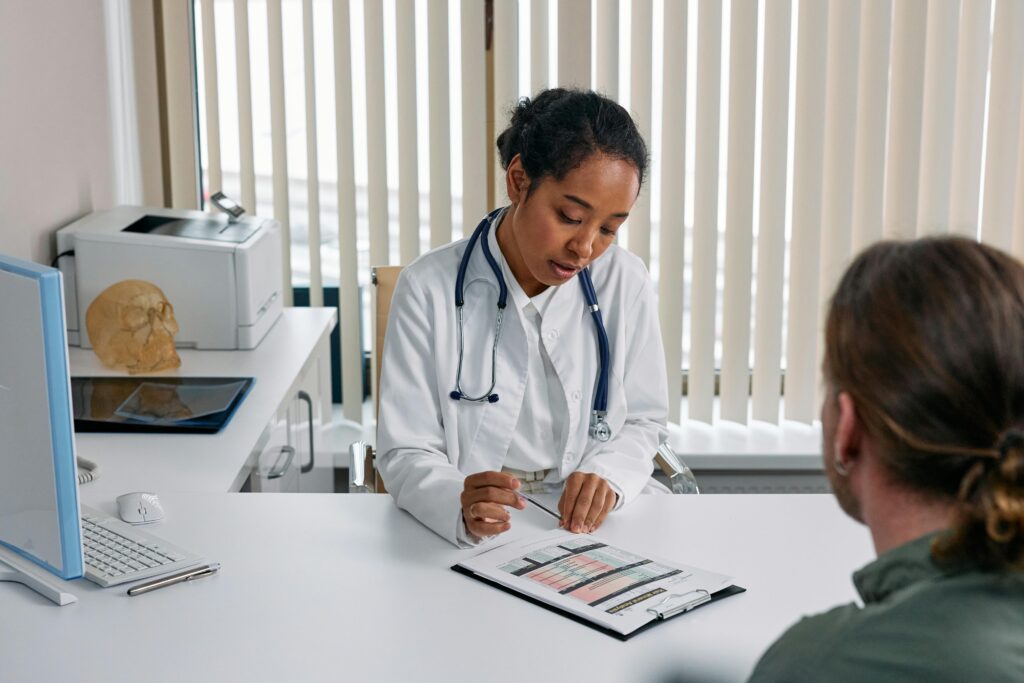
If you experience any or all of the symptoms mentioned above, seek immediate medical care in the nearest emergency room.
These are also life-threatening in conditions like a gangrenous gallbladder, perforation of the gallbladder, and when an infection has spread to cause peritonitis or sepsis. You need urgent medical assessment and treatment to save you from serious complications.
How to Stop a Gallbladder Attack While It Is Happening
While severe pain requires immediate medical attention, a mild attack of the gallbladder can be managed from home with proper gallbladder attack treatment at home until you get professional medical attention.
Here is how to stop a gallbladder attack while it is happening or at least reduce the discomfort:
- Stop Eating Immediately: Avoid solid food and clear fluids. Frequent eating can stimulate gallbladder contractions or an aggravation of pain.
- Apply Warm Compresses: A heating pad or warm towel may be placed across the upper abdomen to relax the muscles and soothe painful areas by warming them up.
- Drink Plenty of Water: Sipping fluids can help keep the bile flowing but take small sips if you feel nauseated.
- Avoid Greasy or Oily Food: Fat stimulates gallbladder contractions and may worsen symptoms.
- Try Gentle Movement: Light walking stimulates the flow of bile, but heavy exercise is best avoided.
- Take Pain Relief (if your doctor has approved this): Over-the-counter drugs containing acetaminophen will help with temporary pains, but stay away from NSAIDs with prior liver or stomach problems.
These may alleviate the discomfort but are no substitute for medical treatment. If pain persists or worsens, seek care immediately.
Gallbladder Attack Treatment at Home
Though there are certain home remedies which may be helpful in supporting the gallbladder and guarding against an attack in the future, the need for professional medical help is indispensable.
Following are some home methods for the treatment of gallbladder attack, which you can try — only under medical supervision, of course.
- Apple Cider Vinegar and Apple Juice:
Some find their mild gallbladder pain soothed by taking apple cider vinegar diluted in apple juice. This is a remedy which should be taken very cautiously, however, and not at all in cases where a person has a sensitive stomach. - Lemon Water:
Lemon juice will normalize bile and facilitate the natural detoxification of both the liver and gallbladder. - Herbal Remedies:
These are turmeric and milk thistle, which support the liver and bile, improving the flow of the latter and reducing inflammation. - High-Fiber Diet:
Increased fruits, vegetables, and whole grains are digested more easily and can help avoid gallstones. - Avoid Long Gaps Between Meals:
Small, frequent meals keep the flow of bile adequate and continuous, hence preventing stagnation in the gallbladder. - Weight Management:
The aim should be for gradual, healthy weight loss because severe or sudden diets can worsen gallstone risk.
These home remedies are by no means a substitute for medical diagnosis and care, although they may help in alleviating some discomfort and also prevent recurrence.
If you have recurrent attacks of gallbladder, consult with the topmost urologist in India to individualize a proper treatment plan for you.
Gallbladder Attack: Medical Treatment Options
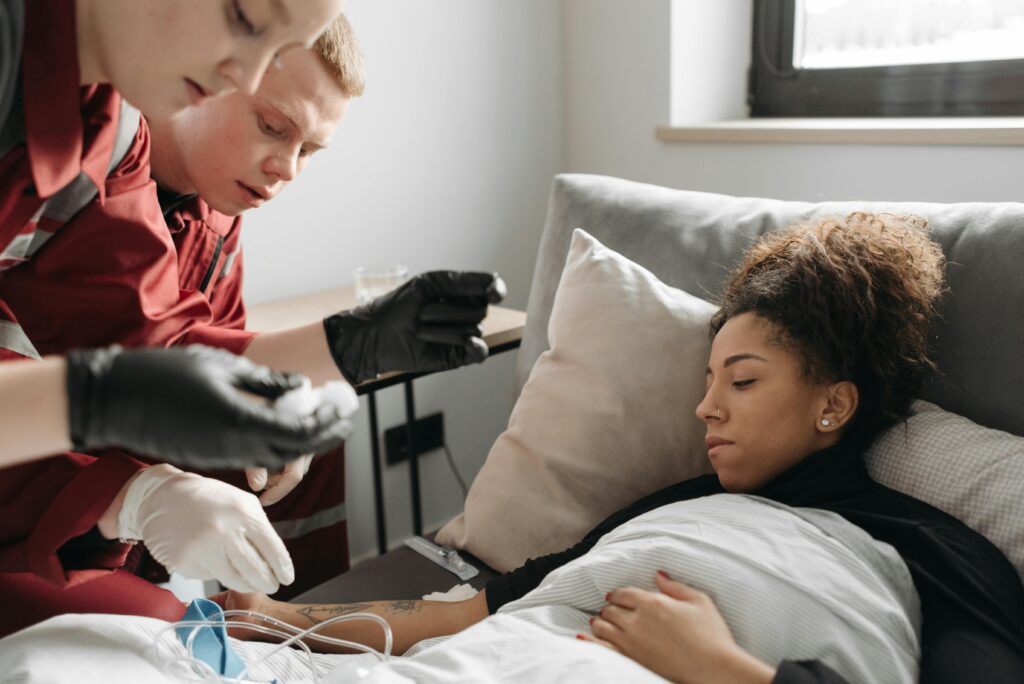
The course of treatment depends on the severity and frequency of attacks, and also whether gallstones and gallbladder disease have been diagnosed, helping you understand when to go to hospital for gallbladder attack as well as what options are available for gallbladder attack treatment at home.
1. Medications
Sometimes, doctors prescribe medications known as bile acid pills that can dissolve small gallstones, but this generally takes time and is not suitable for everyone.
2. Non-Surgical Procedures
For those patients in whom surgery is impossible, doctors can make use of shock wave therapy (lithotripsy), wherein the stones are broken down — yet it may recur.
3. Surgery (Cholecystectomy)
The most common treatment for recurring gallbladder attacks is to surgically remove the gallbladder.
- Laparoscopic cholecystectomy involves small-sized cuts and thus is less invasive, allowing quicker recovery.
- Where infection or complications arise, open surgery will be required in cases of emergency.
Removal of the gallbladder does not significantly affect digestion because the liver keeps on producing bile, which now flows directly into the intestine.
4. Recovery After Surgery
You may need to avoid fatty foods for a few weeks following the operation and then gradually go back to a normal balanced diet. Most patients usually return to their normal activities in one to two weeks.
When to See a Urologist
Most of the people remain unaware that urologists in India make very significant contributions in the diagnosis and management of gallbladder-related symptoms, especially those related to urinary or digestive discomfort.
You should consult a urologist in India or the best urologist in India if:
- You regularly experience upper abdominal pain or bloating.
- You have recurring digestive problems that feel like gallbladder attacks.
- You are not sure if your pain is related to gallstones, kidney stones or another urinary disorder.
A urologist can coordinate with other specialists in gastroenterology, perform advanced imaging and assure that you get comprehensive, accurate care.
Prevention of Gallbladder Attacks
Lifestyle tips which will help prevent future attacks:
- Maintain a healthy weight.
- Avoid foods which are high in fat, fried or processed.
- Eat fibre-rich food and fresh fruits daily.
- Stay hydrated.
- Exercise regularly.
- Avoid going hungry or on crash diets.
These changes will prevent gallbladder problems and at the same time improve liver and digestive health in general.
Conclusion
The time of going to a hospital after a gallbladder attack makes all the difference between simple treatment and serious complications. One should never ignore a gallbladder attack — severe pain, fever, or jaundice always require immediate medical attention.
While mild attacks can sometimes be treated at home with gallbladder attack treatment, persistent or recurrent pain needs proper investigation.
A knowledge of what causes a gallbladder attack, a healthy lifestyle and early consultation with an expert are the factors that assure long-term digestive health.
One should never wait for extreme pains or any suspicion of gallbladder problems when professional help then can save one from infection, rupture, or other dangerous complications.
At the Advanced Urology Centre, our experienced specialists provide comprehensive diagnosis and personalized treatment plans for gallbladder and urinary conditions. With expert guidance, accurate evaluation, and modern medical care, we help you manage symptoms effectively and prevent further complications. If you are experiencing gallbladder-related pain or discomfort, consult Advanced Urology Care today for safe, reliable, and timely medical support.
4 FAQs
1. What triggers an attack on the gallbladder?
Gallstones obstructing the bile duct are typically the cause of a gallbladder attack, which results in discomfort and inflammation. Obesity, high-fat diets, abrupt weight reduction, hormonal fluctuations, and genetics are risk factors.
2. How may a gallbladder attack be stopped in its tracks?
Apply a warm compress, stop eating right away, and take tiny sips of water to stay hydrated. Rest and stay away from fatty foods. Seek immediate medical attention at a hospital if the pain continues or gets worse.
3. When a gallbladder attack occurs, what are the warning signals to visit the hospital?
Severe upper abdominal discomfort, fever, vomiting, or yellowing of the skin or eyes should all be taken to the hospital. These signs could point to a gallbladder rupture, bile obstruction, or infection.
4. If I have gallbladder issues, who should I consult?
For an accurate diagnosis and course of therapy, you should speak with an Indian urologist or the top urologist in India. An expert can determine whether gallstones or another digestive issue is the cause of your pain.