Surgery has changed a lot over the years. Today, patients often have more than one option when surgery is required. Two of the most common approaches are laparoscopy surgery and open surgery. While both aim to treat medical problems effectively, the experience, recovery, and after-effects can be very different.Understanding the difference between laparoscopy vs open surgery can help patients feel more confident and prepared before undergoing a procedure. This article explains how both methods work, their key differences, and what to expect after laparoscopy surgery, including pain and possible side effects.
What Is Laparoscopy Surgery?
Laparoscopy is a minimally invasive surgical technique. Instead of making a large cut, surgeons use small incisions to perform the operation. A thin tube with a camera, called a laparoscope, is inserted through one of these cuts. The camera sends images to a screen, allowing the surgeon to see inside the body clearly.Special surgical tools are inserted through other small incisions to complete the procedure. Laparoscopy is commonly used for abdominal and pelvic surgeries, including gallbladder removal, hernia repair, appendix surgery, gynecological procedures, and diagnostic examinations.Because the cuts are small, laparoscopy usually causes less damage to surrounding tissues.
What Is Open Surgery?
Open surgery is the traditional method of surgery that has been used for decades. In this approach, the a Urologist surgeon makes a large incision to directly access the area that needs treatment. This allows full visibility and hands-on access to organs and tissues.Open surgery is still necessary in many cases, especially when the condition is complex, involves severe infection, heavy bleeding, or requires wide access to organs. It is also used when laparoscopy is not suitable due to medical history or emergency situations.
Laparoscopy vs Open Surgery: Key Differences
The main difference between laparoscopy vs open surgery lies in how the surgeon accesses the body. Laparoscopy uses small cuts and a camera, while open surgery involves a larger incision.Laparoscopy generally leads to shorter hospital stays, faster recovery, and less visible scarring. Open surgery may require longer healing time due to the size of the incision and greater tissue exposure.Pain levels also differ. Patients often report milder pain after laparoscopy surgery compared to open surgery, where pain may be more intense and last longer.
Benefits of Laparoscopy Surgery
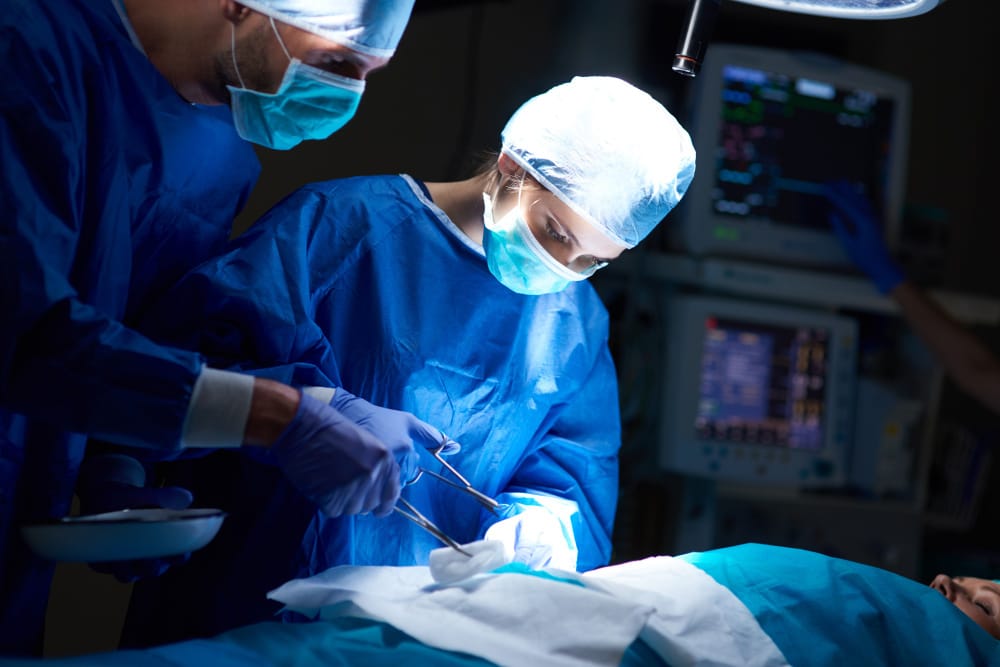
One of the biggest advantages of laparoscopy is faster recovery. Many patients are able to walk within hours after surgery and return home sooner.Smaller incisions mean less blood loss, reduced risk of infection, and minimal scarring. This is especially important for patients who want a quicker return to daily activities and work.Another benefit is reduced post-surgical discomfort. Although pain after laparoscopy surgery does occur, it is usually manageable with basic pain relief.
Benefits of Open Surgery
Despite advances in laparoscopy, open surgery still plays an important role. It gives surgeons direct access and visibility, which can be crucial for complicated or emergency procedures.Open surgery may be safer for patients with extensive scar tissue from previous surgeries or those with certain medical conditions. In some cases, it allows for better control during surgery, especially when unexpected complications arise.While recovery takes longer, open surgery can be the most effective and reliable option in specific situations.
Pain After Laparoscopy Surgery

Pain after laparoscopy surgery is common but usually mild to moderate. Most patients feel soreness around the incision sites for a few days. This pain often feels similar to muscle ache and improves quickly.One unique type of discomfort is shoulder pain. This happens because gas is used during laparoscopy to expand the abdomen, which can irritate the diaphragm and cause referred pain in the shoulder. This pain is temporary and usually resolves within one or two days.Pain levels vary from person to person. Factors such as the type of surgery, individual pain tolerance, and overall health can affect recovery.
How Long Does Pain Last After Laparoscopy?
For most patients, pain after laparoscopy surgery improves within a few days. Mild discomfort may last up to a week, but severe pain is uncommon.Simple pain relievers and rest are usually enough to manage discomfort. Doctors may also recommend gentle movement to reduce stiffness and gas-related pain.If pain worsens instead of improving, it is important to contact a healthcare provider
Laparoscopy Side Effects After Surgery

Like any surgical procedure, laparoscopy has potential side effects. Most are mild and temporary.Common laparoscopy side effects after surgery include bloating, nausea, fatigue, and mild swelling around the incision sites. These effects usually improve within a few days.Some patients experience temporary digestive changes, such as constipation or gas, due to anesthesia and reduced movement after surgery.
Rare but Possible Side Effects of Laparoscopy
Serious complications from laparoscopy are rare, but they can occur. These may include infection, bleeding, or injury to nearby organs.Signs to watch for include fever, increasing pain, redness or discharge from the incision, difficulty breathing, or persistent vomiting. Prompt medical attention helps prevent complications from becoming serious.Overall, laparoscopy is considered very safe when performed by experienced surgeons.
Recovery Time: Laparoscopy vs Open Surgery

Recovery time is one of the biggest differences in laparoscopy vs open surgery. Patients who undergo laparoscopy often return to normal activities within one to two weeks.Open surgery usually requires several weeks of recovery. The larger incision needs more time to heal, and patients may need stronger pain medication and longer rest periods.Work, exercise, and daily routines are typically resumed sooner after laparoscopy.
Scarring and Cosmetic Results
Laparoscopy leaves small scars that often fade over time and are less noticeable. This is an important factor for many patients, especially younger individuals or those concerned about appearance.Open surgery results in a larger scar, which may be more visible and take longer to heal completely.While cosmetic outcomes should not be the main deciding factor, they do influence patient preference.
Risk of Infection
Smaller incisions in laparoscopy reduce the risk of infection. With fewer exposed tissues, bacteria have less opportunity to enter the body.Open surgery has a slightly higher risk of infection due to the larger wound and longer healing process. Proper wound care and follow-up help manage this risk.
Hospital Stay and Cost Considerations
Laparoscopy often involves shorter hospital stays, sometimes allowing same-day discharge. This can reduce overall healthcare costs and minimize disruption to daily life.Open surgery usually requires longer hospital stays and follow-up care, which can increase costs and recovery time.However, the final decision should be based on medical necessity rather than cost alone.
When Is Open Surgery the Better Option?
While laparoscopy offers many benefits, it is not suitable for everyone. Open surgery may be recommended for patients with severe infections, large tumors, extensive internal scarring, or emergency conditions.In some cases, surgeons may begin with laparoscopy and switch to open surgery if they encounter complications.The choice depends on safety, effectiveness, and the patient’s overall health.
How Doctors Decide Between Laparoscopy and Open Surgery
Doctors consider several factors when choosing between laparoscopy vs open surgery. These include the type of condition, severity, patient medical history, age, and previous surgeries.Imaging tests and physical examinations also help determine the safest approach.Patients should feel comfortable asking questions and discussing concerns before surgery.
Preparing for Laparoscopy Surgery
Preparation for laparoscopy is usually simple. Patients may be asked to avoid eating or drinking for several hours before surgery and stop certain medications.Following pre-surgery instructions helps reduce complications and supports smoother recovery.Clear communication with the surgical team is essential.
Life After Laparoscopy Surgery
Most patients feel back to normal within a short time after laparoscopy surgery. Light activities are encouraged early, while heavy lifting should be avoided for a few weeks.Eating a balanced diet, staying hydrated, and following post-surgery instructions help speed up healing.Regular follow-up visits ensure recovery is on track.
Final Thoughts on Laparoscopy vs Open Surgery
Both laparoscopy and open surgery have their place in modern medicine. Laparoscopy offers faster recovery, less pain, and smaller scars, making it a preferred option for many procedures. Open surgery remains essential for complex and emergency cases.Understanding pain after laparoscopy surgery and possible laparoscopy side effects after surgery helps patients set realistic expectations.The best approach is always the one that ensures safety, effectiveness, and long-term health. A detailed discussion with your doctor is the key to making the right decision. For expert care and support visit the Advance Urology centre.
FAQs
1. Is laparoscopy safer than open surgery?
Laparoscopy is generally safe and less invasive, but safety depends on the patient’s condition and the type of surgery needed.
2. How much pain is normal after laparoscopy surgery?
Mild to moderate pain is common for a few days, including shoulder pain caused by surgical gas, and usually improves quickly.
3. What are common laparoscopy side effects after surgery?
Bloating, fatigue, nausea, and mild swelling near the incision sites are common and typically temporary.
4. How long does recovery take after laparoscopy compared to open surgery?
Most people recover within one to two weeks after laparoscopy, while open surgery may take several weeks.
5. Can laparoscopy turn into open surgery?
Yes, in some cases surgeons may switch to open surgery if complications or safety concerns arise during the procedure.