The most common symptoms of aging are frequent urination, weakened flow of urine, and even difficulties in starting and stopping urination. These usually develop gradually and are symptoms of what is commonly referred to as BPH, or the non-cancerous enlargement of the prostate gland,and are often treated today with the Urolift procedure.
The state-of-the-art treatments for this condition up until now have been medicines and traditional surgery. However with the recent advances in the field of urology, there is now a minimally invasive solution” the UroLift procedure” .
Present-day treatment ensures quick relief from enlarged prostate symptoms, with no cutting, heating, or removing of tissue from the prostate.
But what exactly is UroLift ?, how long UroLift lasts, or what happens after UroLift surgery? These are some common questions you must having right? Don’t worry you are at the right place. Follow this detailed guide to understand the treatment.

Benign Prostatic Hyperplasia: Understanding BPH
To fully understand what is exactly is Urolift procedure it’s best to understand the problem that’s being treated, which in this case is BPH.
The prostate is a small gland that lies at the base of the bladder; it surrounds the urethra, the tube that carries or drains urine out of the body. With increased age, it increases in size. When it is too big, it compresses or blocks the urethra and gives rise to some problems with urination.
Symptoms most commonly associated with BPH include:
- Increased urination, especially at night
- A weak stream or intermittent flow of urine
- Difficulty starting urination
- Dribbling at the end of urination
- Feeling that the bladder isn’t completely empty
More than half of all men over 50 have BPH; by age 80 years, about 90% have the condition.
Generally medicines alleviate the symptoms, but most men develop side effects that include dizziness, tiredness, or sexual dysfunction. Thus, they want a safer and more permanent alternative like UroLift.
What Is the Procedure of UroLift?
UroLift is one form of minimally invasive surgical treatment for BPH. Its re-position the enlarged prostate tissue away from the urethra with the assistance of small implants to allow easy passage of urine.
It fully differs from other traditional surgical options, like TURP, where the prostate tissue is cut and removed.
UroLift does not cut obstructive prostate lobes but rather elevates and secures those lobes without removing the tissue. This results in less bleeding, quicker recovery, and without any injury to the surrounding structures.
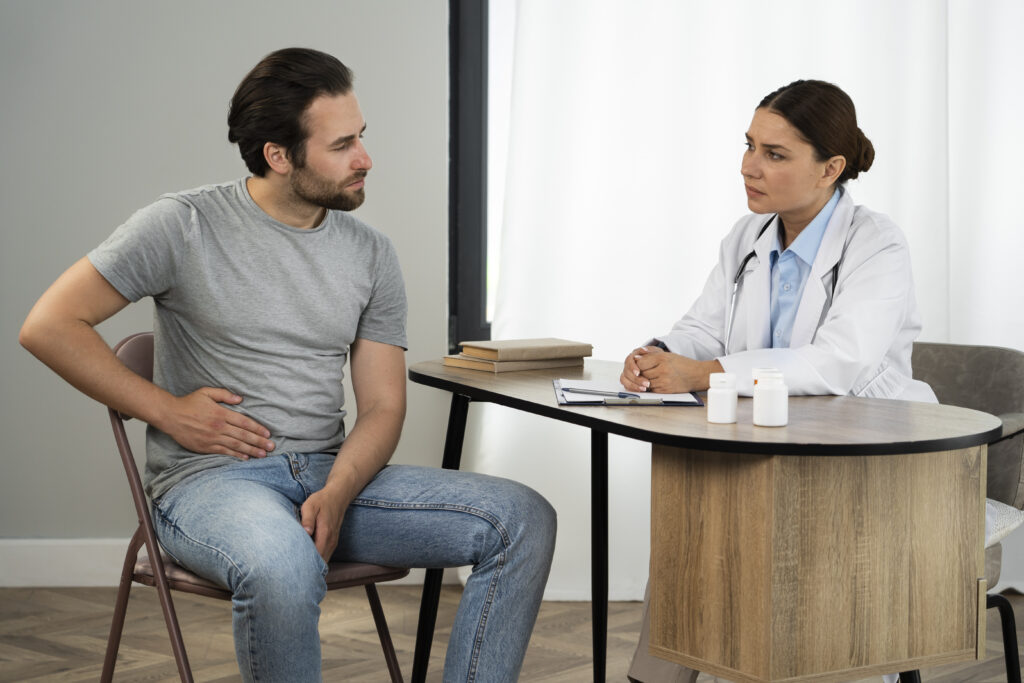
How the UroLift Procedure Works
- A thin instrument is passed via the urethra into the prostate by the urologist.
- Small permanent implants — think sutures — are positioned to elevate and hold enlarged prostate tissue away from the urethra.
- It opens the passage of urine, hence reduces obstruction, improving the flow of urine, and does so immediately.
The entire process may take some 15 to 30 minutes, depending on the size and complexity of the prostate.
This is generally something that can be done without general anaesthesia. Most of the time, it’s either done with local or with light sedation. It is a very good outpatient procedure because of its various advantages that allows one to go home the same day.
UroLift Procedure Benefits
Urolift has become highly popular with men because of its certain advantages:
Key benefits include:
- Quick symptomatic improvement: Symptoms due to urinary issues improve within two weeks in most patients.
- Minimally invasive: No tissues are cut, heated, or removed.
- Preserves sexual function: Unlike most of the other BPH surgeries, UroLift does not affect erectile or ejaculatory functions.
- Short-term recovery: Most men are back to normal activities in 2–3 days.
- Outpatient: A procedure or treatment that doesn’t require an overnight stay in the hospital.
Considering these benefits, it is a very good option for comfort, safety, and treatment effectiveness in men.
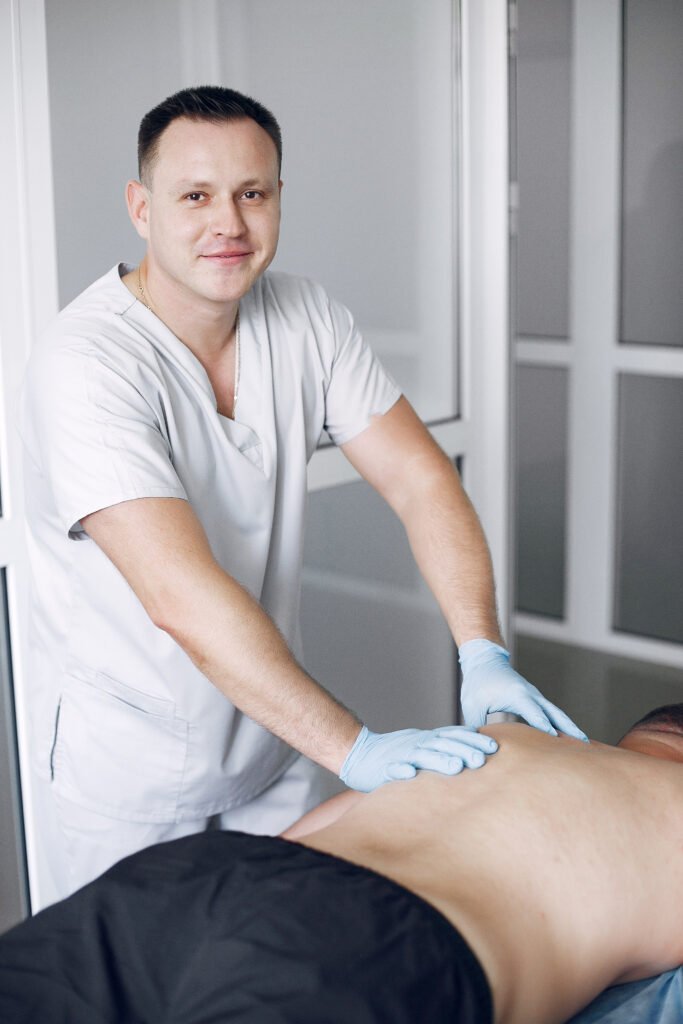
What Happens After UroLift Surgery?
The post recovery journey from the UroLift is generally less stressful and quite rapid; however, it’s important to understand the possible side effects over the ensuing days following the procedure.
Immediately After Urolift Surgery
You may feel:
- Mild burning or discomfort while urinating
- Very slight amounts of blood in the urine
- More frequent urination; sudden, urgent need to urinate
- Occasional mild pelvic pressure
These are the common and temporary symptoms; the body heals in about 1 to 2 weeks, after which most of them go away.
Your urologist may recommend the following:
- Drink plenty of water — it helps in flushing your bladder.
- Rest and avoid heavy exercise for several days.
- Abstain from intercourse for at least a week.
- Take mild analgesics as needed.
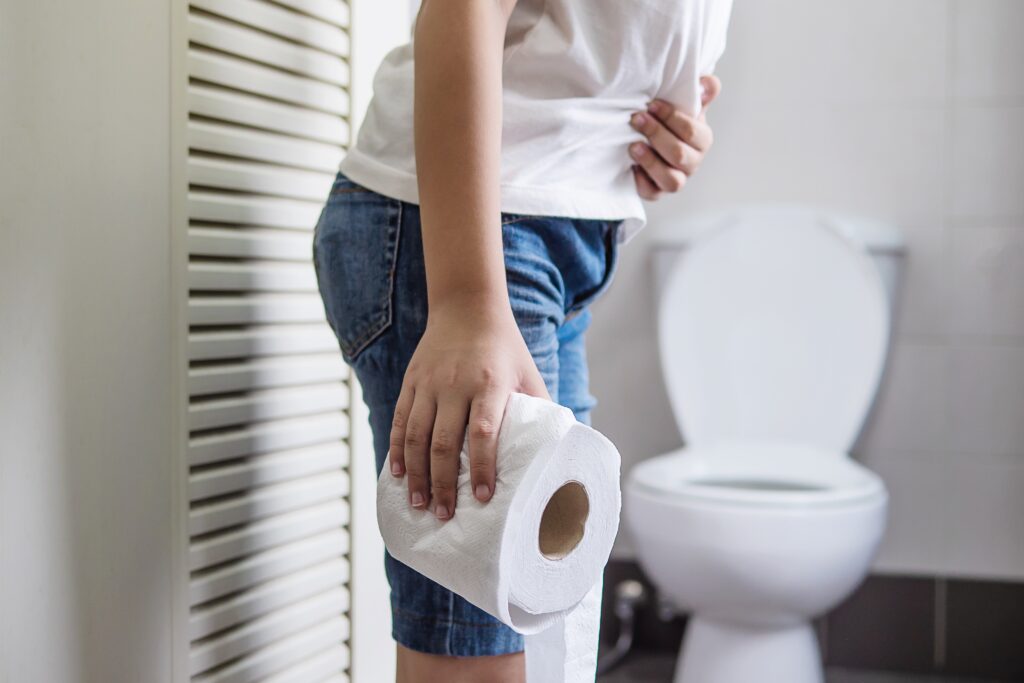
How Long Does Frequent Urination Last After the UroLift Procedure?
The following are generally the most frequent questions a patient may have:
How long does frequent urination last after UroLift procedure?
After Urolift surgery, the frequency of urination is increased for the patient, often temporarily. This is due to the bladder and urethra readjusting to the new unrestricted passage of urine.
Many men will have to go to the bathroom frequently for a period of one to three weeks, though rarely it may be somewhat longer if the bladder muscles have become overactive from longstanding obstruction.
To do this:
- Stay hydrated; however, avoid caffeine and alcoholic drinks.
- Urinate as frequently as necessary; do not hold it in.
- Follow your doctor’s recommendations regarding medications and diet.
If these symptoms of frequent urination or discomfort last beyond one month, then your urologist can reassess you to make sure there is not an infection or irritation.
Possible UroLift Side Effects
The UroLift is a very safe procedure, but just like with all treatments, there is the possibility of a few minor side effects, most of which will be temporary.
Common UroLift side effects after surgery include:
- Mild burning during urination
- Blood in the urine for several days
- Mild pelvic or lower abdominal pain
- Increased urgency or frequency of urination
- Fatigue or mild soreness in the groin

These symptoms usually resolve in 2–4 weeks. Your doctor will also prescribe additional antibiotics or anti-inflammatory medication to prevent infection and inflammation.
Less Common but Possible Urolift Side Effects after Urolift Surgery:
- Urinary tract infection (UTI)
- Slight swelling of the urethra
Most patients recover very quickly and do not have any long-term complications. It is always advisable to follow your doctor’s post-operative instructions and make the needed follow-up appointments.
How Long Does the UroLift Last?
The major positive feature of the UroLift system is the durability of the treatment effect.
Clinical and patient reports have shown that results from UroLift may be long-lasting, up to 5 years and even more; sometimes the benefits extend up to 10 years, keeping in mind the size of the prostate, general health, and life habits.
The implants used in UroLift are permanent. Made from biocompatible materials, they can safely stay in your body without harm and the need for replacement.
Though doing nothing to stop the continuous growth of the prostate with age, UroLift can provide mostly significant and long-lasting relief to the majority of men. Once symptoms come back over time, one will either repeat the process or complement it with other treatments if needed.
UroLift vs. Traditional Treatments
| Aspect | UroLift Procedure | TURP: Traditional Surgery | Medication |
| Type | Minimally invasive | Surgical excision of tissue | Nonsurgical: medications |
| Hospital Stay | Outpatient, same day | 1–2 days | None |
| Recovery Time | 2–3 days | 2–4 weeks | Continuous use |
| Sexual Function | Preserved | Often affected | Possible side effects |
| Result Duration | 5–10 years | 10+ years | Only temporary |
| Anesthesia | Local or mild sedation | General or spinal | Not needed |
For most men, UroLift can be that perfect middle ground — fast, low-risk, with long-lasting relief and minimal side effects.
Who Is a Good Candidate for the UroLift Procedure?
The ideal candidates for the UroLift procedure include men:
- With BPH and mild to moderate symptoms
- With a prostate size ranging from 30 to 80 cc
- Who want to preserve sexual function
- Who are healthy enough to undergo a short outpatient procedure
However, men with very large prostates or those who have had other forms of urinary conditions may require alternative treatments.
A qualified urologist will assess your particular condition and recommend the right approach.
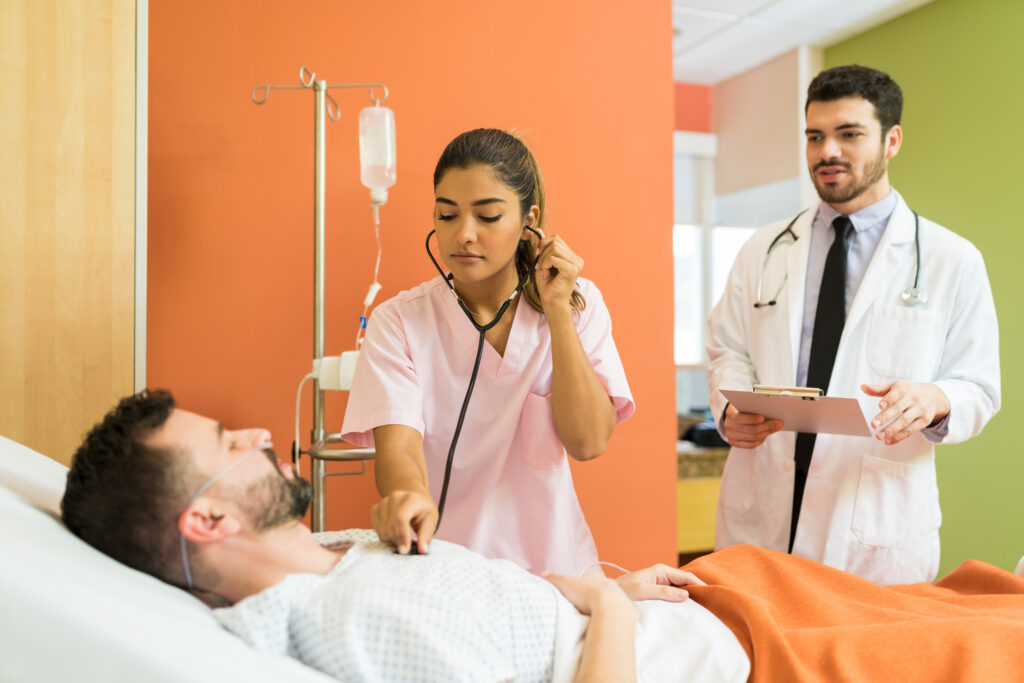
Lifestyle Tips After UroLift Surgery
The inclusion of some easy changes in lifestyle after a UroLift procedure can help one recover sooner and for longer.
- Keep yourself hydrated: Drink 8–10 glasses of water every day to flush your bladder.
- Avoid caffeine and alcohol because they are bladder irritants and can increase frequency.
- Exercise regularly: Light physical activity promotes healing.
- Eat well: Include fiber in your diet since constipation puts pressure on the bladder.
- Follow-up visits: Go for scheduled appointments to make sure recovery is on course.
Most men, with appropriate care, are back into full normal activity within one week and enjoy symptom relief that may last for many years.
Conclusion
UroLift is revolutionising the approach to the treatment of urinary symptoms in men with an enlarged prostate — being safe, minimally invasive, and long-lasting, with no compromise of sexual function or long recovery times.
Whether one is tired of taking medication each day or would like a modern alternative to surgery, UroLift may provide the answer to restoring comfort and confidence.
At the Advanced Urology Centre, our specialist team offers expert evaluation and personalized UroLift treatment plans to help you regain a healthier urinary flow and improved quality of life. With advanced technology and experienced urologists guiding your care, you can expect safe, effective, and comfortable treatment. Consult Advanced Urology Care today to discuss whether UroLift is the right choice for you.
FAQs
1. What is the process for UroLift?
It’s a procedure where tiny implants are used to raise and hold the enlarged prostate tissue away from the urethra, the UroLift method is a minimally invasive treatment for BPH that improves urine flow without causing tissue to be cut or removed.
2. What is the duration of UroLift?
The UroLift surgery provides long-term relief from urinary complaints without impairing sexual function, with results usually lasting five to ten years.
3. What are the typical adverse effects of UroLift?
The majority of side effects, such minor bleeding, burning when urinating, or frequent urination, are transient and moderate and go away in a few weeks.
4. What is the duration of regular urination following the UroLift procedure?
Typically, frequent urination lasts one to three weeks while your body gets used to the increased flow of urine. See your physician for an assessment if it persists for an extended period of time.