Kidney stones can cause sharp pain and discomfort, but many small stones can pass naturally with the right care. Simple daily habits can help your body move the stone through the urinary tract more easily and with less pain. Staying hydrated, managing discomfort, and supporting kidney function are key during this time. Knowing what to do and when to seek help can make the process safer and less stressful while your body works to pass the stone naturally.
Common Causes Of Kidney Stones

1. Not Drinking Enough Water
Low fluid intake is one of the leading causes of kidney stones. When you do not drink enough water, urine becomes concentrated. This allows minerals and salts to stick together and form stones. Proper hydration helps flush waste from the kidneys before crystals can grow. People who sweat a lot or live active lifestyles may need even more fluids. Dark yellow urine is often a sign of dehydration. Drinking water consistently throughout the day reduces the risk of stone formation and supports overall kidney health.
2. High Intake of Salt
Eating too much salt increases the amount of calcium in urine. Excess calcium can combine with other substances and form stones. Processed foods, packaged snacks, and restaurant meals often contain hidden sodium. Even people who do not add salt to food may consume more than needed. High sodium intake also reduces the kidneys’ ability to reabsorb calcium. Lowering salt intake helps maintain a healthy balance of minerals. Choosing fresh foods and reading nutrition labels can significantly reduce kidney stone risk.
3. Excessive Oxalate Rich Foods
Oxalate is a natural substance found in many foods. When oxalate levels are high, it can bind with calcium and form stones. Foods like spinach, beets, nuts, and chocolate are common sources. Eating these foods in large amounts may increase risk, especially if fluid intake is low. Oxalate itself is not harmful, but imbalance matters. Pairing oxalate rich foods with calcium from meals can help reduce absorption. Moderation and balance are key to prevention.
4. Low Calcium Intake
Many people think calcium causes kidney stones, but too little calcium can actually increase risk. When calcium intake is low, oxalate absorption increases, leading to stone formation. Calcium from food helps bind oxalate in the digestive system before it reaches the kidneys. Avoiding calcium completely may worsen the problem. Balanced intake through dairy or calcium rich foods supports bone health and kidney function. Supplements should only be taken if advised by a healthcare provider.
5. High Protein Diet
Diets very high in animal protein can increase kidney stone risk. Protein from meat, eggs, and seafood raises uric acid levels and lowers urine citrate. Citrate helps prevent stones from forming. High protein intake also increases calcium excretion in urine. This combination creates favorable conditions for stone formation. Balanced protein intake is important for overall health. Including plant based protein sources and maintaining proper hydration can help reduce the risk linked to high protein diets.
6. Certain Medical Conditions
Some medical conditions increase the likelihood of kidney stones. Digestive disorders can affect nutrient absorption and fluid balance. Frequent urinary tract infections may also contribute to certain stone types. Conditions that affect metabolism can change urine composition, making stones more likely. Family history also plays a role, as genetics can influence how the body processes minerals. Managing underlying health conditions properly reduces stone risk. Regular medical checkups help detect and address contributing factors early.
7. Lack of Physical Activity
A sedentary lifestyle can increase kidney stone risk. Long periods of inactivity may affect calcium balance in the body, allowing more calcium to enter urine. Reduced movement can also slow digestion and fluid circulation. Physical activity supports kidney function and overall metabolism. Even light daily movement helps prevent mineral buildup. Staying active also encourages regular hydration habits. Simple activities like walking can make a difference. Consistent movement, combined with proper diet and fluids, lowers the chances of stone formation.
Tips for Helping Your Kidney Stones Pass Naturally
1.Drink Plenty of Water Throughout the Day
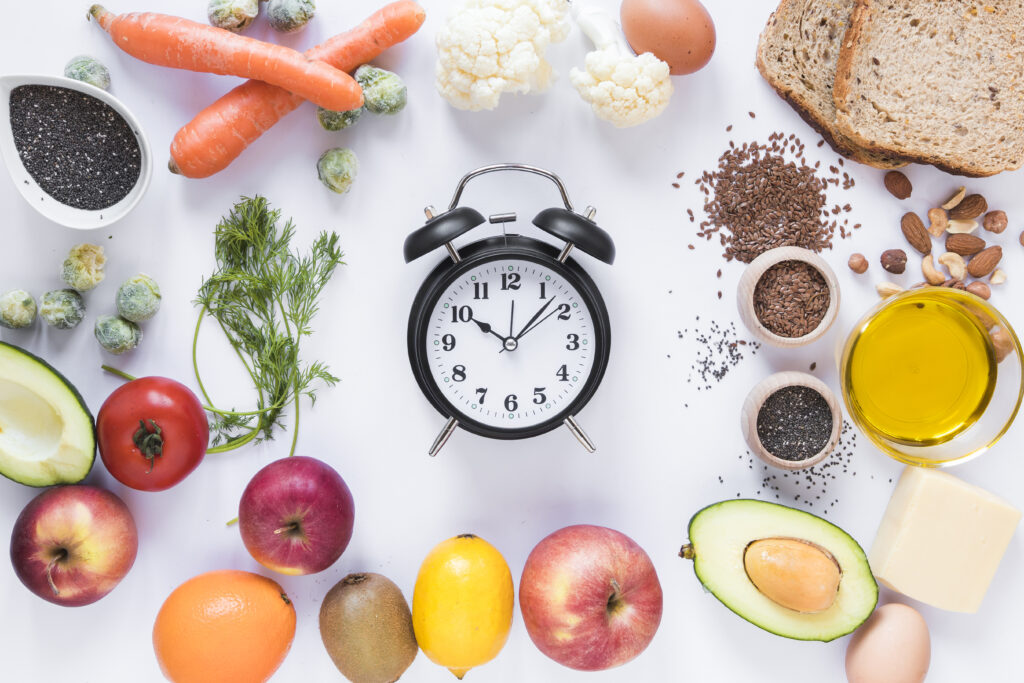
Staying well hydrated is one of the most effective ways to help kidney stones pass naturally. Drinking enough water increases urine flow, which helps push small stones through the urinary tract. Aim to sip water consistently instead of drinking large amounts at once. Clear or light yellow urine is a good sign of proper hydration. Avoid sugary drinks and limit soda, as these can worsen stone formation. Adding lemon juice to water may help some people because it contains citrate, which can reduce stone buildup and support smoother passage.
2. Manage Pain the Right Way
Passing kidney stones can be painful, especially when the stone moves through narrow areas. Over-the-counter pain relievers may help reduce discomfort and allow the body to relax. Heat therapy, such as a warm heating pad on the lower back or abdomen, can also ease muscle tension and pain. Staying calm and resting when needed helps the body handle pain better. If pain becomes severe, persistent, or unbearable, medical attention is important. Proper pain control helps you stay hydrated and active, which supports stone movement.
3. Stay Physically Active When Possible
Light physical activity can help kidney stones move through the urinary tract. Walking, gentle stretching, or climbing stairs may encourage the stone to shift and pass more quickly. You do not need intense exercise. Simple movement throughout the day can be helpful. Staying active also improves blood flow and supports kidney function. Avoid long periods of sitting or lying down unless pain requires rest. Listen to your body and stop if discomfort increases. Regular movement, combined with hydration, often helps speed up the natural passing process.
4. Adjust Your Diet to Support Stone Passage
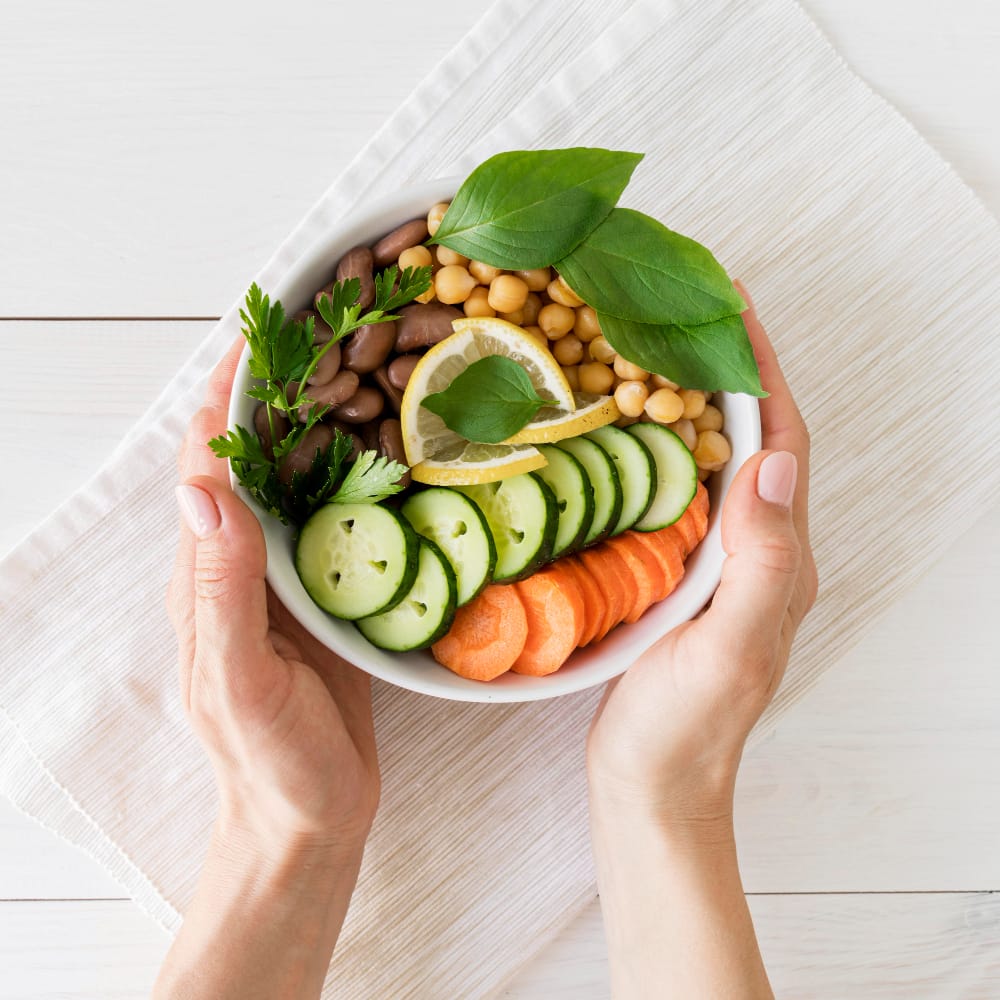
Diet plays a role in managing kidney stones. Reduce salty foods, as excess sodium can increase calcium in urine. Limit foods high in oxalates if advised, such as spinach or nuts. Eat balanced meals with fruits, vegetables, and adequate calcium from food sources. Avoid extreme dietary changes without guidance. Proper nutrition helps prevent further stone growth while your body works to pass the current stone. Eating smaller, balanced meals also supports digestion and overall comfort during this period.
5. Use Prescribed Medications If Recommended
In some cases, doctors may prescribe medications that relax the muscles of the urinary tract. These medications can make it easier for stones to pass with less pain. Always take medicines exactly as prescribed and follow medical advice closely. Do not self-medicate or take leftover prescriptions. Medication works best when combined with proper hydration and movement. If you notice side effects or no improvement, contact a healthcare provider. Medical support can reduce complications and help avoid the need for more invasive treatment.
6. Know When to Seek Medical Help
While many kidney stones pass on their own, some situations need medical care. Seek help if pain is severe, fever develops, urine contains blood consistently, or you cannot keep fluids down. Stones that do not pass after several weeks may require treatment. Ignoring warning signs can lead to infection or kidney damage. Monitoring symptoms closely is important. Timely medical attention ensures safe stone removal and helps prevent future episodes through proper diagnosis and guidance.
Conclusion
Passing kidney stones naturally is possible in many cases, but proper care and timely guidance are essential to avoid complications. Simple steps like staying hydrated, managing pain, and making the right lifestyle changes can support recovery. However, if symptoms persist or worsen, expert medical care becomes important. Advanced Urology Centre offers specialized evaluation and treatment options to help you manage kidney stones safely and effectively. If you are experiencing ongoing discomfort or concerns, book a consultation with Advanced Urology Centre today and get expert support for faster relief and long-term kidney health.
FAQs
1. Can kidney stones pass naturally without medical treatment?
Yes, many small kidney stones can pass naturally with proper hydration, movement, and pain management. Drinking enough water helps flush the stone through urine. However, larger stones or severe symptoms may require medical evaluation and treatment.
2. How long does it take for a kidney stone to pass naturally?
The time varies based on stone size, location, and individual health. Small stones may pass within a few days to weeks. If a stone does not pass after several weeks or pain increases, medical attention is recommended.
3. What are the warning signs that need medical help?
Seek medical care if you experience severe or persistent pain, fever, vomiting, difficulty urinating, or continuous blood in urine. These symptoms may indicate infection, blockage, or complications that require professional treatment.
4. Can kidney stones come back after passing once?
Yes, kidney stones can recur if underlying causes are not addressed. Staying hydrated, following dietary advice, and managing health conditions help reduce recurrence risk. Regular checkups can also help prevent future stone formation.