Female Incontinence

Female Incontinence
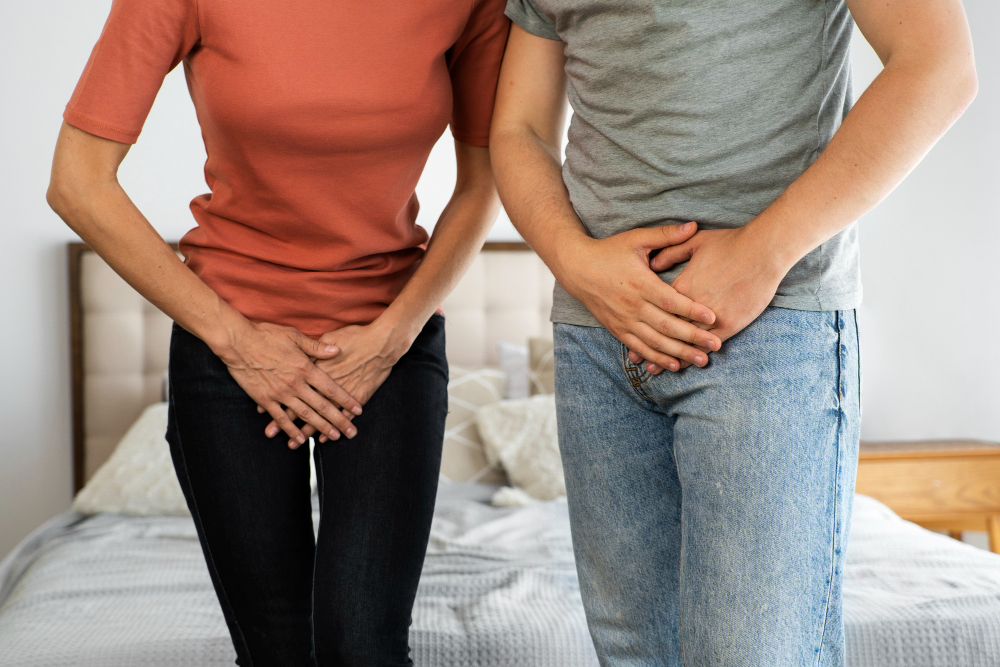
Female urinary incontinence refers to the involuntary leakage of urine due to loss of normal bladder control. It occurs when the bladder, urethra, pelvic floor muscles, or the nerves that regulate urination do not function properly. Female incontinence may be associated with pregnancy and childbirth, hormonal changes, pelvic floor weakness, urinary tract infections, or neurological conditions. Factors such as age, hormonal status, pelvic health, prior surgeries, and lifestyle habits can influence bladder control and contribute to urinary incontinence.

Advanced Urology Centre offers comprehensive evaluation and expert management for female urinary incontinence in Chandigarh and Mohali. The centre is equipped with advanced diagnostic facilities, including detailed urinary assessments, urodynamic studies, imaging, and bladder function tests, to accurately identify the type and underlying cause of incontinence.


Under the care of an experienced urologist in Chandigarh, each patient receives a personalized treatment plan based on age, medical history, severity of symptoms, hormonal status, and lifestyle impact. Known for having some of the best urologist doctors in Chandigarh, the centre provides trusted care for stress incontinence, urge incontinence, mixed incontinence, and post-childbirth or post-surgical urinary leakage.


Patients from Mohali also choose the hospital for female incontinence treatment due to its evidence-based approach, minimally invasive therapies, and compassionate, patient-centric care. With expert guidance from the best urologist in Chandigarh, Advanced Urology Centre focuses on accurate diagnosis, effective treatment, faster recovery, and long-term improvement in quality of life for women experiencing urinary incontinence.

Age factor:
Bladder control and pelvic floor muscle strength may weaken with age, increasing the risk of urinary leakage in women.


Pregnancy and childbirth:
Vaginal delivery, prolonged labor, or multiple pregnancies can stretch or weaken pelvic floor muscles and bladder support, leading to stress urinary incontinence.


Hormonal changes (Menopause):
Reduced estrogen levels after menopause can weaken the tissues supporting the bladder and urethra, contributing to urinary urgency and leakage.


Pelvic floor muscle weakness:
Weak or damaged pelvic muscles may fail to properly support the bladder, resulting in leakage during coughing, sneezing, or physical activity.


Urinary tract infections:
Infections of the urinary system can irritate the bladder, causing urgency, frequency, and temporary incontinence.


Pelvic surgery:
Gynecological surgeries such as hysterectomy or pelvic procedures can affect bladder support or nerve function, leading to urinary incontinence.


Neurological conditions:
Disorders such as diabetes, stroke, multiple sclerosis, or spinal cord problems can interfere with bladder nerve signals and control.


Lifestyle factors:
Obesity, smoking, chronic constipation, excessive caffeine or alcohol intake, and lack of physical activity can increase pressure on the bladder and worsen incontinence over time.


Female urinary incontinence is marked by involuntary leakage of urine and can vary in severity depending on the underlying cause. Common symptoms may include:


  • Leakage of urine during coughing, sneezing, laughing, exercising, or lifting heavy objects.


  • Sudden, strong urge to urinate followed by involuntary leakage (urge incontinence).


  • Frequent urination, including waking up multiple times at night (nocturia).


  • Difficulty holding urine long enough to reach the toilet.


  • Leakage during physical activity or after standing up.


  • Feeling of incomplete bladder emptying in some cases.


  • Increased urgency or bladder pressure.


  • Skin irritation, discomfort, or recurrent urinary infections due to constant moisture.


If left untreated, these symptoms can affect daily routines, emotional well-being, and overall quality of life.

Treatment for female urinary incontinence at Advanced Urology Centre is carefully planned based on the type of incontinence, severity of symptoms, underlying cause, patient age, hormonal status, and overall health. Under the care of a skilled urologist in Chandigarh, patients first undergo a detailed evaluation, including medical history review, physical examination, urine tests, bladder diaries, imaging, and urodynamic studies when required, to identify the exact cause of urine leakage.

In many cases, treatment may include lifestyle modifications, pelvic floor muscle training, bladder training programs, and medications to control urgency or improve bladder function. Hormonal therapy may be considered when appropriate, especially in post-menopausal women. The best urologist doctor in Chandigarh evaluates each case thoroughly to ensure a safe, accurate, and patient-specific treatment approach.


Patients seeking female incontinence treatment in Mohali benefit from advanced diagnostic facilities, modern technology, and comprehensive follow-up services at the centre. For patients who do not respond to conservative treatments, minimally invasive procedures and advanced surgical options are available. With expert guidance from the best urologist in Chandigarh, Advanced Urology Centre focuses on precise diagnosis, effective treatment, faster recovery, and long-term improvement in bladder control and quality of life for women.

Visit Us At Chandigarh

Advanced Urology Centre, 2164, Sector 21 C Chandigarh, India

Visit us at Chd. for exceptional service, a welcoming atmosphere.


Our Services

Request an Appointment

9872618670

Requesting an appointment is easy. Just give us a call or out the Online Appointment Request form below.


Online Appointment Request

Visit Us At Mohali

Shalby hospital Mohali sector 63, Phase 9, SAS Nagar, Punjab, India

Visit us at Mohali for exceptional service, a welcoming atmosphere.


Get An Appointment

About Us

At Advanced Urology Centre in Chandigarh, our aim is to provide world-class urological care using advanced technology and patient-focused treatment. We specialize in diagnosing and treating kidney, bladder, and prostate conditions with precision and compassion. 

Email Us: care@advancedurologycentre.com

Contact: 9872618670

Advanced Urology Centre @2025. All Rights Reserved Tricity Urologist.