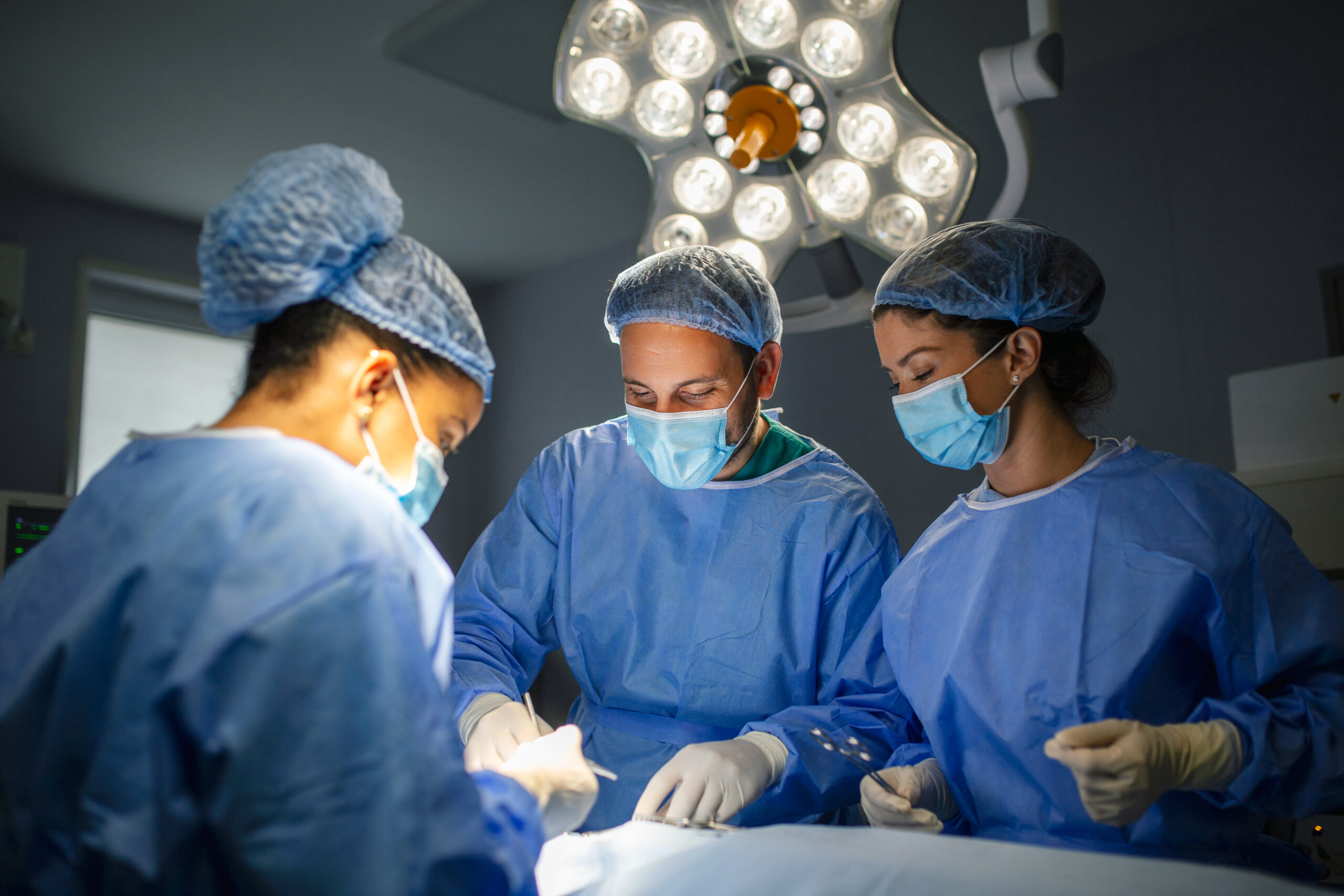
TURP surgery is one of the most commonly performed surgical treatments for men with an enlarged prostate, also known as benign prostatic hyperplasia. As men age, the prostate gland gradually increases in size and may obstruct urine flow. When medication and lifestyle measures fail to provide relief, TURP surgery is often recommended as a definitive and effective solution.
This procedure has been used for decades and remains the gold standard for treating moderate-to-severe urinary obstruction caused by prostate enlargement. Understanding the TURP Surgery Procedure, recovery process, possible problems after TURP surgery, and TURP surgery cost is essential for patients considering this treatment.
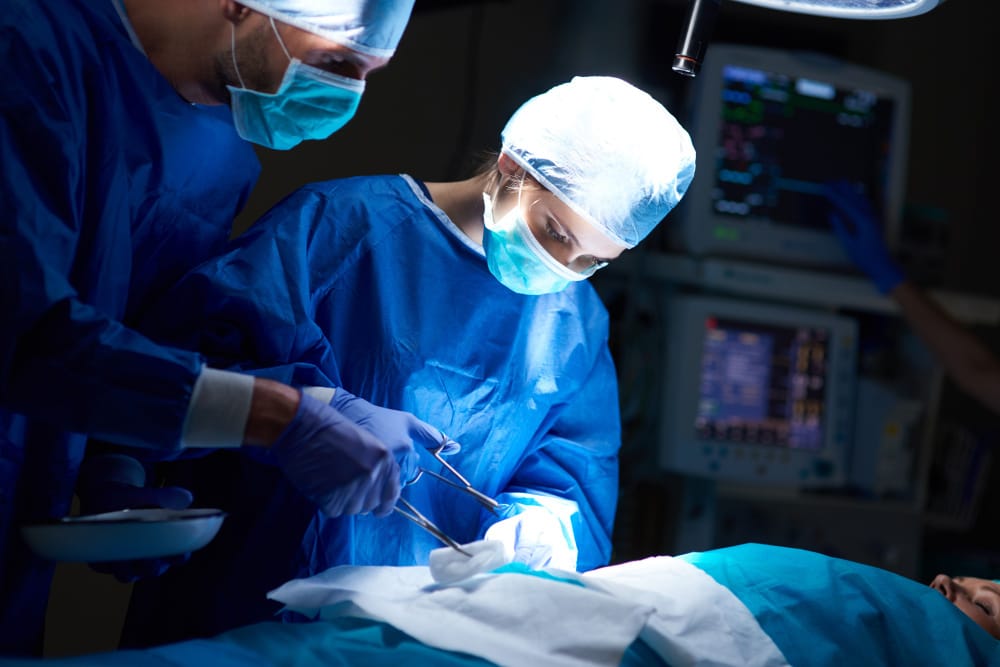
Understanding Enlarged Prostate and the Need for Surgery
An enlarged prostate occurs when the prostate gland presses against the urethra, restricting the flow of urine. Common symptoms include difficulty initiating urination, weak urine stream, frequent urination at night, incomplete bladder emptying, and urinary retention.
When these symptoms significantly affect daily life or lead to complications such as recurrent infections, bladder stones, or kidney damage, surgical intervention becomes necessary. The TURP Surgery Procedure removes the portion of the prostate causing obstruction and restores normal urine flow.
What Is TURP Surgery Procedure
TURP Surgery Procedure stands for transurethral resection of the prostate (TURP). It is a minimally invasive surgical technique performed through the urethra without external incision. A specialized instrument called a resectoscope is inserted into the urethra to remove the excess prostate tissue blocking urine flow.
The TURP Surgery Procedure is usually performed under spinal or general anesthesia and typically takes about 60–90 min, depending on the prostate size. It is widely regarded as a safe and effective treatment for enlarged prostate symptoms.
How TURP Surgery Procedure Is Performed
Before TURP, patients underwent detailed evaluations, including blood tests, urine tests, imaging studies, and prostate assessment. Once cleared for surgery, the patient was placed under anesthesia.
During TURP, the surgeon inserts a resectoscope through the urethra. Using electrical energy, small portions of the prostate tissue are removed to create a wider urinary channel. The removed tissue was flushed out and sent for laboratory examination.
A catheter is placed at the end of the TURP Surgery Procedure to help drain urine and flush out blood clots. The catheter usually remains in place for one to three days.
Benefits of TURP Surgery Procedure
The TURP Surgery Procedure offers long-lasting relief from urinary symptoms caused by an enlarged prostate. Most patients experienced significant improvements in urine flow, reduced urinary frequency, better bladder emptying, and improved sleep quality.
Another major benefit of TURP is that it has a well-established success rate and predictable outcomes. Compared to open prostate surgery, the recovery is faster, and the hospital stay is shorter.

Recovery After TURP Surgery Procedure
Recovery after TURP varies from patient to patient. Most men stayed in the hospital for two to three days. Mild burning during urination, blood in the urine, and increased frequency are common during early recovery.
Full recovery usually takes four–six weeks. During this period, patients were advised to avoid heavy lifting, strenuous exercise, and prolonged sitting. Drinking adequate fluids helps flush the bladder and speeds up healing.
Problems After TURP Surgery
Understanding the possible problems after TURP surgery helps patients prepare for recovery. While most men recover well, some may experience temporary or long-term side effects.
Common problems after TURP include mild bleeding in the urine, urinary urgency, temporary urinary incontinence, and a burning sensation during urination. These symptoms typically improve over time.
In some cases, problems after TURP may include urinary tract infection, delayed bleeding, or narrowing of the urethra. Rarely, patients may experience erectile dysfunction or changes in ejaculation patterns.
Discussing potential problems after TURP with a specialist helps manage expectations and ensures timely intervention if complications arise.
Long Term Effects and Outcomes
Long term outcomes of the TURP Surgery Procedure are generally excellent. Most patients enjoy sustained symptom relief for many years. However, a small percentage may require repeat treatment if prostate tissue regrows.
Retrograde ejaculation is a common long term effect and should be discussed prior to surgery. While it does not affect sexual pleasure, it may impact fertility.
TURP Surgery Cost
The TURP surgery cost varies depending on several factors, including hospital type, surgeon expertise, city, anesthesia charges, and length of hospital stay. Diagnostic tests, medications, and postoperative care also influence TURP costs.
In general, the TURP surgery cost is considered reasonable compared to long-term medication expenses and repeated hospital visits for urinary complications. Patients are advised to discuss the cost details with their healthcare provider before scheduling the procedure.
Insurance coverage may partially or fully cover the TURP surgery cost, depending on the policy terms and medical necessity.
Who Is an Ideal Candidate for TURP Surgery Procedure
Men with moderate to severe urinary symptoms due to an enlarged prostate who do not respond to medications are ideal candidates for TURP. It is also recommended for patients with urinary retention, recurrent infections, bladder stones, or kidney damage related to prostate enlargement.
A thorough medical evaluation is necessary to determine the suitability for TURP.
Alternatives to TURP Surgery Procedure
Although TURP surgery remains the standard treatment, alternative options such as laser prostate surgery, medication therapy, and minimally invasive techniques may be considered based on individual conditions and prostate size.
Your urologist will recommend the most appropriate treatment after evaluating the symptom severity, prostate anatomy, and overall health.
Lifestyle Changes After TURP Surgery Procedure
After recovery from TURP, patients are encouraged to adopt healthy lifestyle habits. Maintaining a balanced diet, staying hydrated, avoiding bladder irritants, and undergoing regular medical checkups help maintain long-term benefits.
Adhering to medical advice reduces the risk of problems after TURP and supports sustained urinary function.
Emotional and Psychological Impact
Urinary symptoms can significantly affect emotional well-being and confidence. Successful TURP surgery often leads to improved sleep, reduced anxiety, and enhanced quality of life.
Understanding the procedure and recovery process helps patients feel more confident and prepared for the treatment.

When to Seek Medical Attention After Surgery
Patients should seek medical attention if they experience severe bleeding, high fever, inability to urinate, or worsening pain after discharge. Prompt evaluation helps address problems after TURP surgery before they become serious.
Conclusion
TURP surgery is a proven and effective treatment for an enlarged prostate that provides long-term relief from urinary symptoms. With proper patient selection, skilled surgical care, and adherence to recovery guidelines, the outcomes are highly successful.
Understanding the potential problems after TURP and having clarity about the cost of TURP allows patients to make informed decisions. Early intervention and timely surgical management can significantly improve the quality of life and prevent serious urinary complications.
FAQs
1. What is TURP surgery and why is it done for enlarged prostate
TURP surgery procedure is a surgical treatment used to relieve urinary problems caused by an enlarged prostate. It removes the excess prostate tissue that blocks urine flow, helping improve symptoms such as weak urine stream, frequent urination, and difficulty emptying the bladder. It is usually recommended when medicines do not provide sufficient relief.
2. How long does the TURP surgery procedure take
The TURP surgery procedure generally takes about sixty to ninety minutes, depending on the size of the prostate and the severity of obstruction. Most patients remain in the hospital for two to three days for observation and catheter care.
3. Is TURP surgery procedure painful
The TURP surgery procedure itself is not painful because it is performed under spinal or general anesthesia. After surgery, mild discomfort, burning during urination, or bladder irritation may occur for a short period. These symptoms usually improve with time and medication.
4. What problems after TURP surgery can occur
Problems after TURP surgery may include temporary blood in urine, frequent urination, urgency, or mild urinary leakage. In rare cases, infection, delayed bleeding, or difficulty urinating may occur. Most problems after TURP surgery are manageable and improve during recovery with proper medical care.
5. How long is recovery after TURP surgery procedure
Initial recovery after the TURP surgery procedure takes about two to three weeks, while complete recovery may take four to six weeks. During this time, patients are advised to avoid heavy physical activity, drink adequate fluids, and follow medical instructions to reduce problems after TURP surgery.
6. What is the TURP surgery cost
TURP surgery cost depends on factors such as hospital facilities, surgeon expertise, duration of hospital stay, and preoperative investigations. The TURP surgery cost is generally considered cost effective compared to long term medication use and repeated treatment for prostate related urinary problems.