Pregnancy is a time of great joy, a time of excitement, and anticipation. This phase of life brings many changes to the female body, most of which are not very comfortable or even welcome. Among such less talked-about and common issues are urinary incontinence during pregnancy. It’s not unusual to let out just a little urine when you’re laughing, never mind with coughing or exercising.
As common as it usually is for most women, it’s usually embarrassing: urinary incontinence during pregnancy is temporary and usually treatable. Understanding why it happens, what causes it, and how to deal with it may restore your comfort and confidence.
The present guide highlights everything a female should know related to urinary incontinence, including the causes of urinary incontinence in females, how to prevent the condition, and when to go to the best urologist in India for expert care.

Understanding Urinary Incontinence During Pregnancy
Urinary incontinence during pregnancy may cause you accidentally leak urine — that is, you urinate when you don’t mean to. During pregnancy, this problem may occur because of the added pressure that your growing uterus puts on your bladder and pelvic muscles.
As the baby grows in size, the hormonal changes start to take effect on the pelvic muscles, and they begin to relax. It is this physical pressure along with weakened muscles that is also a reason your bladder isn’t holding your urine as effectively.
Keep in mind that:
- You are not alone. It’s estimated that from 40 to 60% of pregnant women have some degree of urine leakage.
- This is usually temporary and improves after delivery.
Types of Female Urinary Incontinence During Pregnancy
There are two types of preventable female urinary incontinence during pregnancy:
1. Stress Incontinence
The most common form of UI related to pregnancy is the minor leakage of urine that accompanies increased abdominal pressure events following physical activity, including but not limited to the following: sneezing, coughing, laughing, lifting objects, or exercise.
The main ones include pregnancy hormones such as relaxing and progesterone, which cause loosening of pelvic muscles and ligaments in anticipation of childbirth, hence reducing bladder control.
2. Urgency Incontinence
Overactive bladder or urge incontinence is a type of condition wherein one feels the need to urinate suddenly, even when their bladder is not full. The causes may include pregnancy hormone changes and the pressure from the growing uterus on the bladder itself.
Other, less common forms include mixed incontinence involving both stress and urge, and overflow incontinence or incomplete bladder emptying, though these are less common in pregnancy.
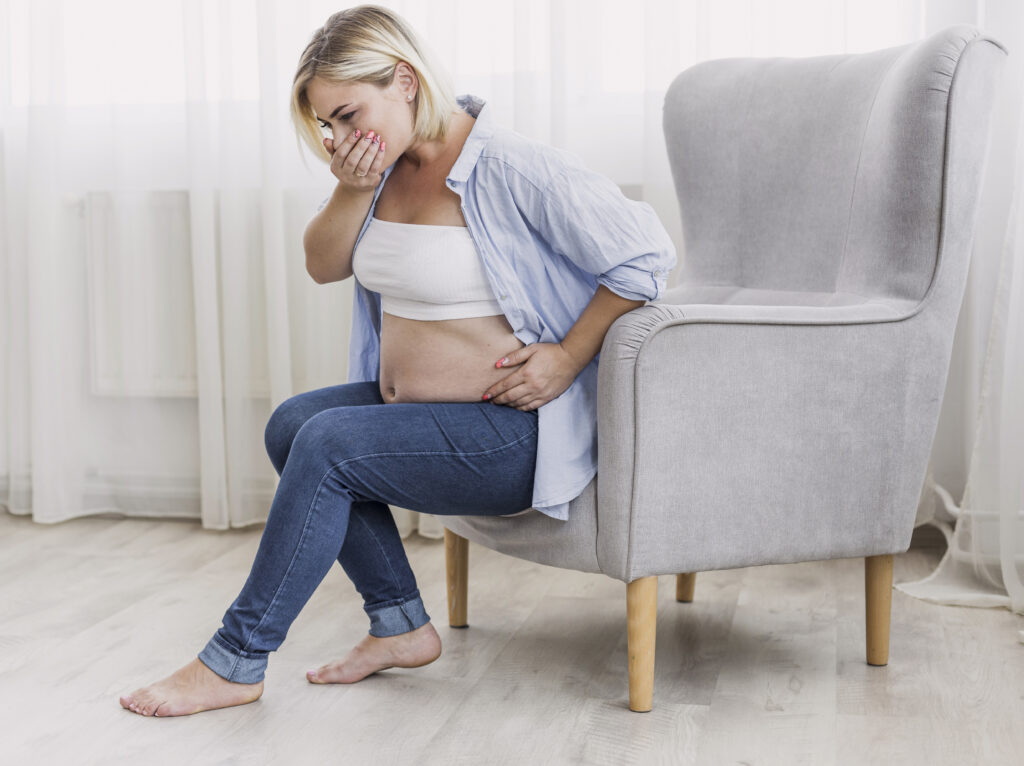
Causes of Urinary Incontinence During Pregnancy in Females
1. Hormonal Changes
One of these hormones, relaxing, loosens the pelvic joints and ligaments in preparation for labor, but its subsequent relaxation of the pelvic floor muscles reduces their strength for controlling urination.
2. Stress on the Bladder
As your uterus grows with your growing baby, it will continue to push on your bladder. You may find it impossible to hold for long and at times leak while coughing, laughing, or with sudden changes in position.
3. Improved Blood Flow and Kidney Function
Pregnancy tends to increase blood circulation and hence increases blood flow through the kidneys. In relation to that, it produces more urine. In this way, your bladder gets filled up more quickly — leading to frequent urination; it heightens leakage.
4. Poor Pelvic Floor Muscle Strength
These pelvic floor muscles support the bladder, uterus, and rectum. The weight of the baby eventually stretches these muscles, combined with hormonal influences and the work of preparing the body for delivery, to the point of decreasing their effectiveness in controlling the release of urine.
5. Previous Pregnancies
Women who have had previous pregnancies may experience weaker pelvic muscles, which increases the risk of urinary incontinence.
6. Constipation and Straining
Pregnancy and chronic constipation increase the pressure on the bladder by weakening the muscles of the pelvic floor and thus promote leakage.
7. Gain Weight Excessively
Gaining more than the recommended weight in pregnancy increases the pressure on the bladder and pelvic floor, thus worsening the problems of incontinence.
When Leaks Can Occur
Leaks can occur on many levels during the pregnancy:
- First Trimester: The hormonal changes and the increase in renal function begin almost immediately in pregnancy, and you may notice frequent urination.
- Third Trimester: At this stage, most women leak due to the weight and position of the baby because it presses more directly onto the bladder and pelvic area.
Indeed, several weeks may be needed for one to regain full continence after childbirth, especially in females during vaginal delivery and large-sized babies.
How Common Is Urinary Incontinence During Pregnancy in Females?
Incontinence in women is more common than most people would believe. Surveys indicate that almost 1 in every 3 women experience the problem sometime during their lifetime, and pregnancy is one of the major contributing factors.
Though the condition is temporary in pregnant women, if neglected, it may result in long-term pelvic floor weakness or postpartum bladder control problems. It thus requires timely interventions and awareness related to pelvic health.
Managing Urinary Incontinence During Pregnancy
Fortunately, urinary incontinence during pregnancy is manageable and further deterioration can be prevented for the most part. Some of the practical medically supported approaches are listed below:
1. Kegel Exercises
Kegel exercises strengthen the muscles in your pelvis that help with urination.
To start Kegel exercises, find your pelvic muscles by stopping your urine in midstream. Exercise the pelvic floor muscles at frequent intervals: this is achieved by contracting these muscles and holding them for 5–10 seconds, then relaxing. Repeat this 10–15 times, several times a day.
This practice consistently reduces leakage of urine, hence helping in post-delivery recovery.
2. Avoid Bladder Irritants
Those foods which may irritate the bladder — for example, caffeine, tea, cola, and artificial sweeteners — are best avoided since they act as urgency precipitants.
3. Hydrate, but Do It Smartly
You should also not limit your fluid intake, as this may eventually cause dehydration and, therefore, exacerbation of the bladder irritation. The best thing is to take more water during the day but avoid overdoing it at night.
4. Weight Gain Control
Maintain a healthy pregnancy weight through the guidance of your doctor. Additional weight puts unnecessary pressure on your bladder.
5. Empty Your Bladder Regularly
Try to urinate every 2–3 hrs even if you do not feel a strong urge. Do not hold urine for many hours.
6. Manage Constipation
Avoid constipation and straining on defecation by having foods rich in fiber, plenty of fluids, and light exercises.
7. Practice Double Voiding
After voiding, wait a few seconds and then try to void again. This is to ensure complete emptying of the bladder.
8. Wear Protective Pads
Light-absorbent pads keep you comfortable and confident through daily activities when you experience urinary leakage.

When to See a Urologist
While mild urinary incontinence during pregnancy is normal, the following symptoms are reasons to see a physician:
- The leaking becomes more frequent or heavier.
- You have pain, burning, or blood in your urine.
- The leakage continues even after the delivery.
- You have sudden, uncontrollable urges to urinate.
It will be judicious under these circumstances to consult with a Urologist in India who is a specialist in female urinary health.
The urologist will then ascertain whether the issue is related only to pregnancy or to other underlying conditions such as a urinary tract infection, pelvic organ prolapse, or overactive bladder.
Treatment Options for Urinary Incontinence During Pregnancy in Women
Following are some of the approaches a urologist may recommend based on the type and severity of incontinence:
1. Pelvic Floor Therapy
Guided physiotherapy and biofeedback can restore and control the strength of the pelvic muscles.
2. Bladder Training
Learning delayed urination through timed schedules will re-educate your bladder to hold urine longer.
3. Electrical Stimulation
Gentle stimulation enhances the tone and responsiveness of pelvic floor muscles.
4. Medications
In some cases, medication to relax the muscles of the bladder will be effective and can be taken safely to reduce urgency arising from post-pregnancy or chronic conditions.
5. Surgery in Severe Cases
In rare, non-pregnancy-related persistent cases, surgical options including a mid-urethral sling procedure can be performed by the best urologist in India for female urinary disorders.
Postpartum Urinary Incontinence
This may be the case following childbirth, where there is stretching or weakening of the pelvic muscles, resulting in continued leakage. It may take several weeks or months for complete bladder control to return.
Tips for Postpartum Recovery
- Continue doing Kegel exercises regularly.
- Avoid lifting heavy things for at least six weeks.
- Keep your body well hydrated and eat healthily.
- If the leakage continues beyond 3 months after delivery, consult a urologist.
With good care, most women regain normal bladder control with time.

Psychological Impact of Urinary Incontinence in Women
Sometimes, urinary incontinence causes embarrassment, anxiety, or social withdrawal. Many women are embarrassed to mention this to their doctor because they believe that it is a “normal” part of pregnancy.
However, if urinary incontinence is left untreated, it might rob one of their confidence and quality of life.
Open communication with a urologist in India will ensure that one gets the right guidance, reassurance, and treatment.
One should not blame oneself for this; urinary incontinence is a medical condition, and the sooner one begins to seek help, the sooner they will get comfortable and regain confidence.
Prevention Tips for Urinary Incontinence During Pregnancy
- Start pelvic floor exercises early in pregnancy.
- Maintain a healthy body weight.
- Avoid straining with bowel movements.
- Use proper posture while lifting or bending.
- Limit the intake of caffeine and sparkling drinks.
- Regular visits to your gynecologist and urologist are musts.
Small changes in lifestyle go a long way in preventing and controlling incontinence in women.
Conclusion
Urinary incontinence during pregnancy is quite normal and easily treatable, affecting most of the women because of hormonal changes and increased physical pressure on the bladder.
A proper understanding of the causes of female urinary incontinence, the adoption of some preventive measures, and a few exercises which strengthen the pelvic floor help improve symptoms remarkably.
Though in most cases the condition can be temporary, persistent leakage and discomfort should never be ignored. Consult a skilled urologist in India for the right diagnosis and safe, effective treatment according to your needs.
At the Advanced Urology Centre, our expert team provides comprehensive evaluation and personalized treatment options for urinary incontinence in women. With specialized care, guidance, and supportive recovery plans, we help restore comfort, confidence, and quality of life. Reach out to Advanced Urology Care today for compassionate and effective support.
4 FAQs
1. What leads to pregnancy-related urine incontinence?
Hormonal changes, the developing uterus’s increased pressure on the bladder, and weakening pelvic floor muscles are the main causes of urinary incontinence during pregnancy. These elements impair bladder control and result in transient urine leaking.
2. Is it typical for pregnant women to experience urine incontinence?
Indeed, it is quite typical. Urinary leakage occurs in 40–60% of pregnant women. It typically goes away after giving birth and can be successfully treated with pelvic exercises, bladder training, and advice from an Indian urologist.
3. How can I avoid being incontinent while pregnant?
Maintain a healthy weight, cut back on coffee, avoid constipation, and engage in regular Kegel exercises. Urinary incontinence in women can be prevented and managed with careful hydration and prompt consultation with the top urologist in India.
4. If I have urine incontinence, when should I consult a urologist?
See a licensed urologist in India if leakage is painful, frequent, or persists after delivery. Persistent symptoms may point to more underlying problems that require professional evaluation and care at a reputable urology clinic.